
Kitchen remodeling is one of the most impactful home improvement projects you can undertake. It not only enhances the functionality of one of the most-used spaces in your home but also increases property value. Yet, without careful planning, a kitchen remodeling project can become overwhelming, stressful, and expensive.
This guide is designed to help you plan a kitchen remodeling project with confidence. From setting a clear vision to managing timelines and budgets, you’ll learn practical strategies to avoid common pitfalls and create a beautiful, functional kitchen that lasts for years.
1. Define Your Purpose and Vision
Before you start tearing out cabinets or picking countertops, ask yourself: why are you remodeling in Grayson County, TX? Your answer will guide every decision during the project. Common goals include:
- Improving workflow and kitchen functionality
- Updating outdated design or appliances
- Increasing storage and workspace
- Preparing the home for resale
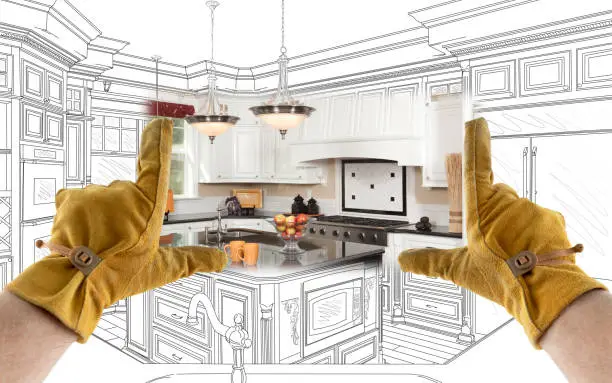
Once your purpose is clear, visualize your kitchen’s future layout. Consider how you’ll use the space:
- Who will cook, dine, or entertain in the kitchen?
- Do you need an island or a breakfast nook?
- How will the kitchen connect with living or dining areas?
- Are you planning for multi-functional use, like homework or remote work?
Tip: Planning for a multi-functional kitchen reduces the risk of redesigning later.
2. Establish a Realistic Budget
A major source of stress in kitchen remodeling comes from unclear budgeting. The average kitchen remodel in the U.S. ranges between $25,000 and $40,000, depending on materials, appliances, and regional costs.
Key budgeting tips:
- Allocate 60–70% for structural changes and essential upgrades
- Reserve 30–40% for finishes, appliances, and fixtures
- Include a 10–20% contingency fund for unexpected costs
- Consider hidden costs like permits, disposal fees, or temporary kitchen arrangements
Tip: A clear budget prevents overspending and helps you prioritize features without compromising quality.
3. Assemble the Right Team
Successful kitchen remodeling relies heavily on qualified professionals. Depending on your project scope, you may need:
- Designer or design-build firm: Provides layout planning, cabinet and finish recommendations, and ensures compliance with industry standards.
- General contractor: Coordinates construction, plumbing, and electrical work. Verify license, insurance, and references.
- Specialized subcontractors: Electricians, plumbers, and appliance installers for specific installations.
Communication tips:
- Document responsibilities clearly to avoid confusion
- Establish check-in points during each phase of the remodel
- Agree on a change-order process to manage unexpected requests
Tip: Clear communication with your team prevents delays and keeps the project stress-free.
4. Plan Layout and Scope Before Materials
Many remodeling delays occur due to last-minute changes. Lock in your layout and scope first:
- Work triangle & traffic flow: Ensure easy movement between sink, stove, and refrigerator
- Island planning: Islands are now included in 58% of kitchen remodels for added workspace and seating
- Storage solutions: Pull-out drawers, hidden compartments, and built-in charging stations enhance efficiency
- Future-proofing: Consider aging-in-place options like wider aisles, non-slip flooring, and accessible storage
Once the layout is finalized, select materials and finishes to avoid costly change orders.
5. Material and Appliance Selection
Choosing materials and appliances is more than aesthetics—it affects timelines, costs, and maintenance.
Tips for selecting materials:
- Order cabinetry and custom-built items early to account for lead times
- Prioritize durable, easy-to-maintain surfaces such as quartz, granite, or engineered wood
- Consider modern lighting, smart appliances, and layered lighting for efficiency
- Check delivery schedules for appliances to ensure installation matches construction progress
Tip: Proper planning reduces stress from delayed shipments or back-ordered items.
6. Effective Communication and Scheduling
Stress during kitchen remodeling often comes from uncertainty. Use these strategies:
- Create a schedule map: Break down tasks by week or phase—demolition, rough-ins, cabinets, finishes, appliances, and inspection
- Set decision deadlines: Approve finishes, paint colors, and appliances on time to prevent project stalls
- Establish quality checks: Inspect work during key phases rather than waiting until the end
- Prepare a temporary kitchen setup: Reduce daily disruptions during construction
Tip: Frequent communication and proactive decision-making minimize surprises and keep your remodel on track.
7. Final Inspection and Handover
As your kitchen remodeling project nears completion, conduct a thorough walkthrough:
- Check cabinets, countertops, and appliances for defects or damage
- Test plumbing, lighting, and electrical systems
- Ensure all warranties, manuals, and care instructions are provided
- Document the completed work with photos for future reference
Tip: Addressing minor issues immediately avoids long-term headaches and ensures your new kitchen functions perfectly.
Conclusion
A successful kitchen remodeling project combines clear vision, realistic budgeting, a skilled team, careful planning, and open communication. By following these steps, you can transform your kitchen into a beautiful, functional space without unnecessary stress.
With preparation and professional guidance, your kitchen remodel will not only meet your expectations but also enhance your home’s comfort and value for years to come.
FAQs
Q1: How long does a typical kitchen remodeling project take?
A standard kitchen remodel usually takes 6 to 12 weeks, depending on the scope, layout changes, and material lead times. Complex projects with custom cabinetry may extend up to 16 weeks.
Q2: What is the average cost of kitchen remodeling?
Most homeowners spend between $25,000 and $40,000 for a full remodel. Minor updates or cosmetic changes may cost significantly less, around $10,000–$15,000.
Q3: Can I live in my home during remodeling?
Yes, but planning a temporary kitchen area is essential. Portable cooking appliances, a microwave, and a mini fridge can help reduce stress during the renovation.
Q4: How can I make my kitchen more energy-efficient during remodeling?
Opt for energy-efficient appliances, LED lighting, and water-saving faucets. Proper insulation and ventilation also help improve energy efficiency.
Q5: What are the top trends in kitchen remodeling for 2025?
Current trends include smart appliances, multi-functional islands, sustainable materials, matte finishes, and layered lighting to combine aesthetics with functionality.